Research
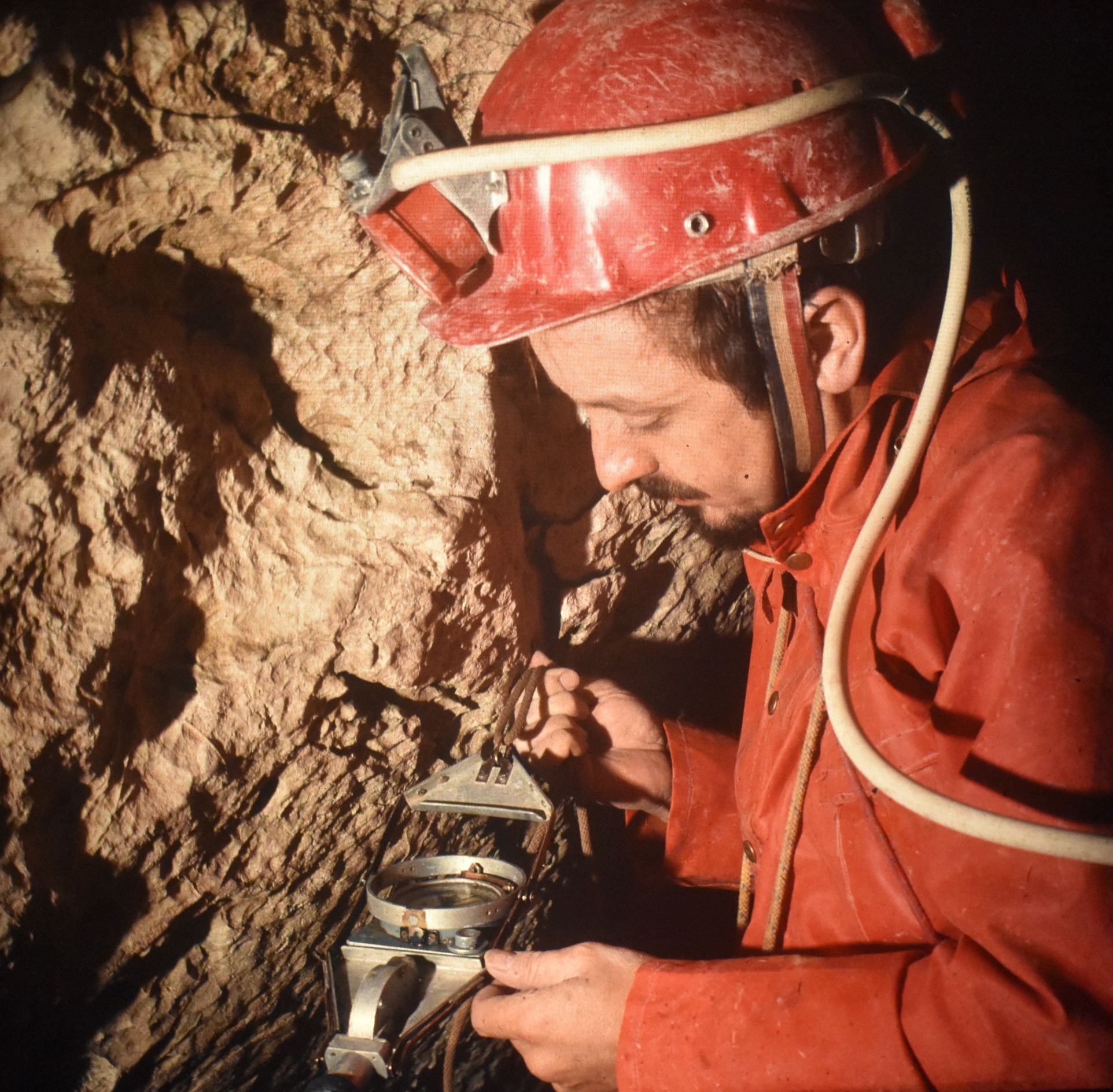
A long time ago: working with historical climbing gear
Using a compass, clinometer, tape measure, pencil, and sketchbook, data was recorded and documented. Today surveying is done digitally with the latest equipment, as is the creation of 3D plans.
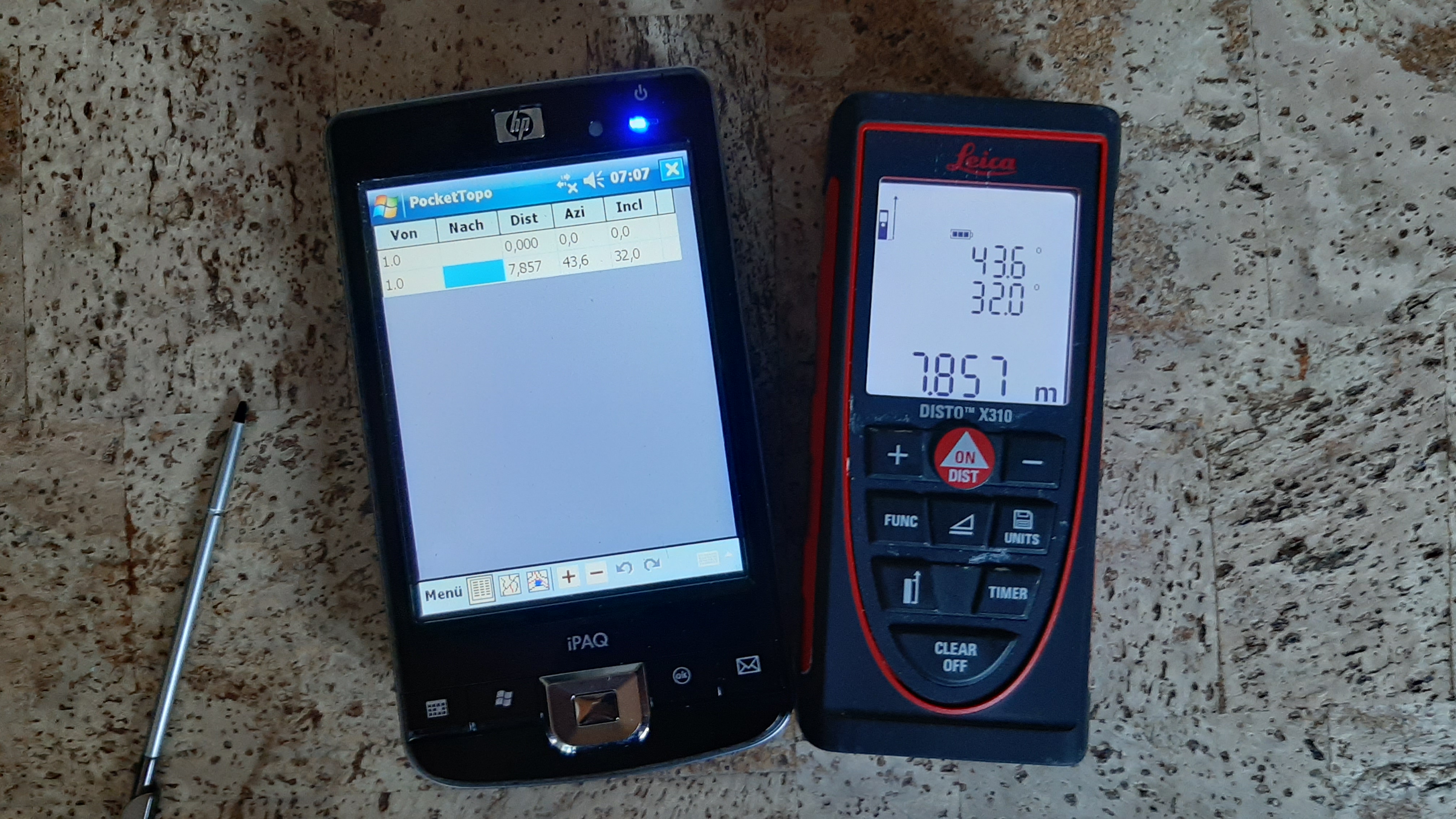
Today: modern surveying equipment
Digital laser measuring devices and PDAs provide much more accurate results. All findings are collected in the extensive VHM cave register and can be made available to authorities and rescue organisations when needed.
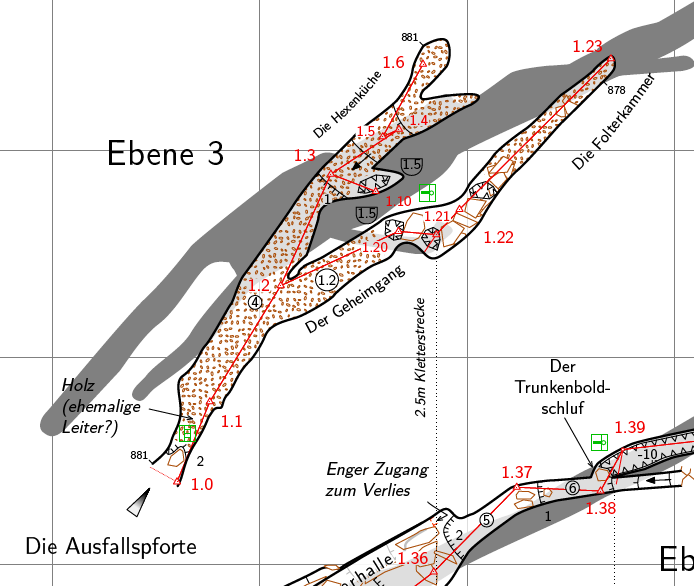
Cave mapping
Map production is now digital as well.
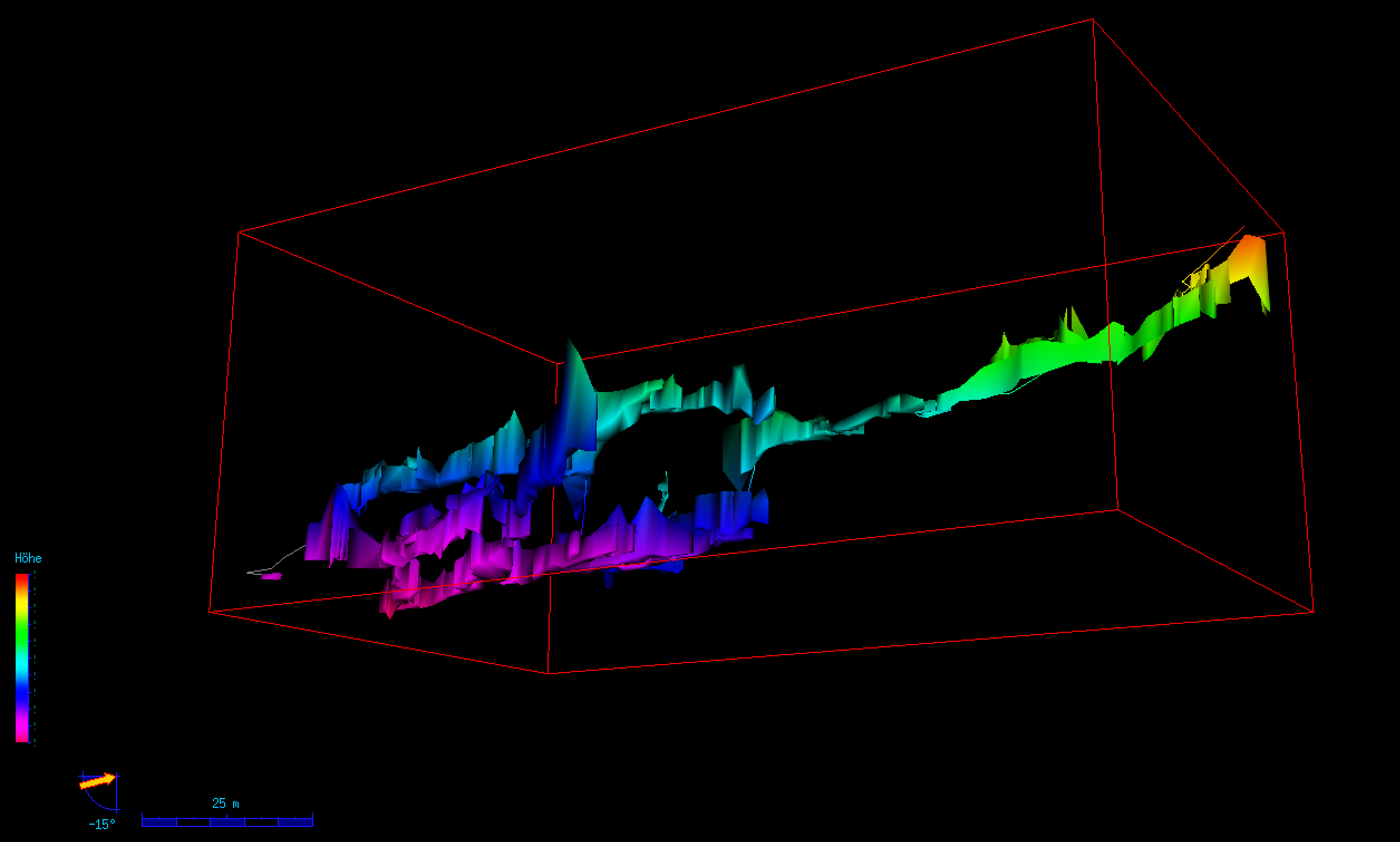
Digital post-processing
3D models provide deeper insight into the structure of a cave.
Working with probes
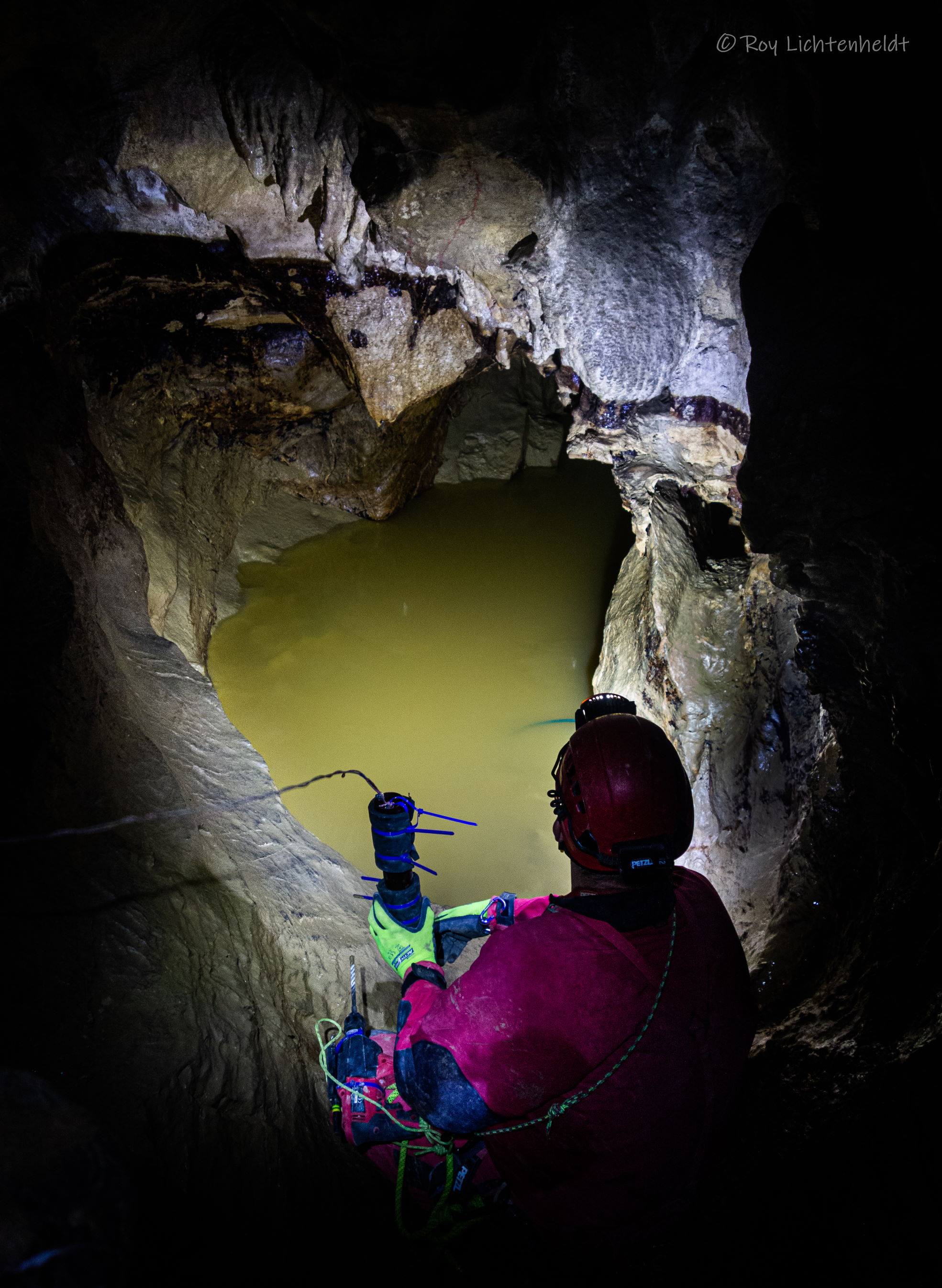
No need to fear high-tech equipment. Water-level pressure probes can provide clues about the origin of incoming water. In karst hydrology projects, the drainage of entire mountain massifs is recorded and data is collected for drinking water supply and flood protection.
There are also members interested in cultural history who study so-called Erdstalle: artificial underground passages and chambers created from the Middle Ages onward and spread across the country.
Particularly exotic, and currently very topical, is extraterrestrial cave exploration, meaning exploration on other planets or moons. It may sound strange, but it is real. There are large caves on Mars whose suitability as human shelters is to be examined by robotic remote sensing. Naturally, this is not a direct field of work for VHM, but members are active in this area as well and regularly report on their developments. There is a whole range of interesting projects and tasks that you can learn more about during our club evenings.